

Sharing your morning coffee on the balcony should feel relaxing, not like a daily battle with pigeons. The good news? There are proven, safe, and practical ways to keep pigeons away without harming them. From natural repellents and smart DIY tricks to commercial solutions, this guide will walk you through everything you need to know to reclaim your balcony and enjoy it in peace.

Why do pigeons rest on your balcony?
Pigeons are creatures of habit, and if they’ve chosen your balcony, it’s rarely by accident. Here are the main reasons they keep coming back:
- Shelter from weather: Balconies provide shade in the summer, warmth in the winter, and protection from rain and wind.
- Flat surfaces to perch: Railings, ledges, and air conditioning units make perfect resting spots where pigeons feel safe.
- Food availability: Crumbs, leftover pet food, or even nearby restaurants attract them. Once they’ve eaten there, they’ll return.
- Nesting opportunities: Quiet corners, under furniture, or near planters can look like ideal spots for building nests.
- Height and safety: Elevated balconies keep pigeons away from ground predators, giving them a secure vantage point.
- Familiarity: Pigeons are territorial. If they find your balcony comfortable once, they’ll keep coming back out of routine.
Why it’s important to get rid of pigeons on your balcony
Having pigeons regularly resting on your balcony might seem like a small inconvenience at first, but over time, the consequences can become quite serious. Here’s why keeping them away matters:
Hygiene Concerns
Pigeon droppings accumulate quickly, and besides being unsightly, they carry bacteria and parasites that grow in moist conditions. The acidic nature of the droppings can also stain tiles, furniture, and railings, making cleaning a constant chore. Left unchecked, the smell and mess can make your balcony an unpleasant place to spend time.
Health issues
Pigeons are known carriers of diseases such as histoplasmosis, psittacosis, and salmonella. While the risk of transmission is relatively low, exposure to droppings, feathers, or nesting materials can cause respiratory issues. Their presence also attracts mites and insects that can spread indoors.
Property damage
The acidic droppings corrode paint, metal, and stone surfaces over time. Nests can block drains, damage ventilation systems, or even interfere with air conditioning units. What begins as a few stains or feathers can turn into costly repairs if the infestation continues unchecked.
Natural ways to repel pigeons from your balcony
If you’ve been searching for how to repel pigeons naturally, these methods are among the safest and most eco-friendly ways to discourage pigeons while keeping your balcony comfortable for daily use.
Plants that deter pigeons

Certain plants release strong aromas or textures that pigeons dislike. Placing them in pots or railing boxes adds greenery to your balcony while discouraging birds from settling.
- Lavender: Its strong fragrance is calming for humans but unpleasant for pigeons.
- Rosemary: A hardy herb that doubles as a kitchen staple and pigeon repellent.
- Marigolds: Their bright blooms and pungent scent naturally drive pigeons away.
- Lemongrass: Its citrus-like aroma is a proven deterrent.
- Eucalyptus: The sharp scent makes the space less attractive for nesting.
Scents that repel pigeons

Pigeons rely heavily on smell, so strong or unusual scents can break their habit of returning.
- Vinegar: A simple spray solution along railings creates an unwelcome odor.
- Garlic: Crushed cloves or garlic-infused water can be sprayed on nesting spots.
- Peppermint oil: Refreshing to us, but overwhelming for pigeons.
- Mothballs: Their chemical smell is highly disliked (though they should be used cautiously if you have children or pets).
- Spices: Black pepper or chili powder sprinkled in corners can discourage roosting.
DIY home remedies to repel pigeons
Household items often do the trick without extra costs:
- Aluminum foil strips: Reflective light unsettles pigeons and makes them move elsewhere.
- CDs or reflective tape: Hung along the balcony, they create constant movement and glare.
- Spray bottles with vinegar or essential oils: A quick spritz on common landing spots deters repeated visits.
- Water-filled plastic bags: Some homeowners use them as a visual distraction; the reflections and distortion scare birds away.
- Homemade chili spray: Mixing water with crushed chili or cayenne pepper and spraying it on railings creates a surface that pigeons tend to avoid.
Chemical repellents to keep pigeons away from your balcony
When natural methods aren’t enough, chemical repellents can provide stronger protection. Here are some options to try:
Pigeon repellent gel

These sticky gels are applied to ledges, railings, or other perching spots. The texture feels uncomfortable under pigeons’ feet, preventing them from settling down. Many formulas are transparent, so they don’t spoil your balcony’s look, and they remain effective for weeks before needing reapplication.
Liquid sprays to repel pigeons
Sprays are an easy option if pigeons keep returning to the same spots. Available in ready-to-use bottles, they can be applied to furniture, walls, and balcony edges. Most are non-toxic and weather-resistant, creating an odor or taste pigeons dislike. Because the effect weakens after rain, many people rely on a complementary ultrasonic pigeon deterrent to maintain steady protection.
Granules and powders to repel pigeons

Scattering granules or powders across the balcony creates an invisible barrier. Many contain natural extracts or chemical agents that irritate pigeons’ senses. They’re particularly useful for covering larger surfaces like floors or planter soil. However, they may need frequent replenishment if exposed to wind or rain.
Physical barriers to repel pigeons from your balcony
If pigeons keep returning no matter what, physical barriers are often the most reliable solution.
Bird spikes

Spikes are one of the most widely used deterrents, placed on railings, ledges, or flat surfaces where pigeons like to rest. They don’t harm the birds but remove the comfort of a flat perch, forcing them to look elsewhere. A discreet solution like the Birdrail combines effectiveness with a subtle design, protecting your balcony without ruining its appearance.
Bird netting and wire systems
 Netting creates a complete barrier, preventing pigeons from entering your balcony space at all. It’s particularly useful for balconies with frequent pigeon issues or for those who want a long-term fix. Wire systems, on the other hand, use tensioned lines that disrupt pigeons’ balance, making it nearly impossible for them to land comfortably.
Balcony covers and mesh screens
Installing fine mesh screens or balcony covers offers both protection and privacy. They stop pigeons from flying in while still allowing light and airflow. This solution is especially popular in urban apartments where balconies are small and need complete shielding from birds.
Motion-activated sprinklers

For those who want a dynamic deterrent, motion-activated sprinklers work by startling pigeons with a quick spray of water when they approach. Birds quickly learn that your balcony isn’t a safe place to land. Devices like the JetSentinel water sprinkler repellent provide a humane and highly effective way to keep pigeons away without causing harm.
Sound-based repellents to keep pigeons away from your balcony
Sounds are another powerful way to discourage pigeons. These deterrents rely on either ultrasonic frequencies that humans can’t hear or audible sounds designed to scare birds away.
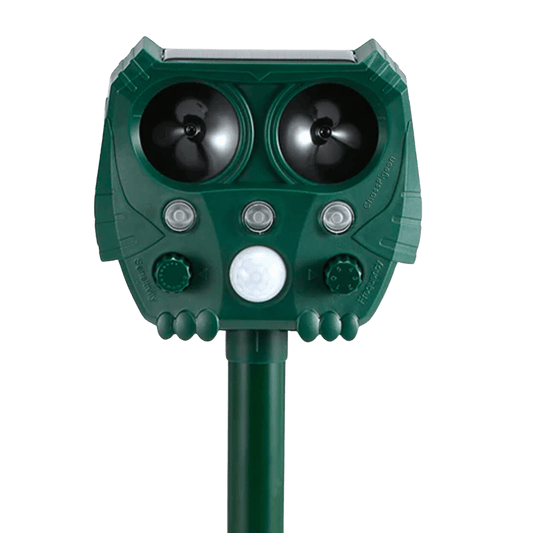
Ultrasonic devices
Ultrasonic repellents emit high-frequency sounds that disturb pigeons but remain inaudible to humans. They create an uncomfortable environment for birds, making your balcony far less inviting.
These are two of the best ultrasonic pigeon deterrents available today on the market, especially for anyone comparing what repel pigeons effectively:
-
PigeonChaser: Designed for smaller areas like balconies, this device is compact, discreet, and ideal if you want localized protection without disturbing neighbors or pets.
-
ZeroBird: A more advanced solution suitable for larger spaces or heavier pigeon activity. It offers broader coverage and multiple ultrasonic modes, making it versatile for different situations.

Sound deterrents
Unlike ultrasonic devices, sound deterrents use audible noises to frighten pigeons. These can include predator calls (such as hawk or falcon sounds), distress calls from pigeons themselves, or sudden loud noises. They work best when used intermittently, so pigeons don’t adapt to the sounds. While effective, they may be less practical in quiet residential.
Visual deterrents to repel pigeons from your balcony
Pigeons rely heavily on sight, which makes visual deterrents a clever way to convince them that your balcony isn’t a safe resting spot.
Pigeon Predator decoys

Predator decoys mimic natural enemies like owls or hawks, tricking pigeons into thinking danger is nearby. Placing a realistic model on your balcony rail or a nearby ledge can instantly discourage them from landing. A lifelike option such as the SilentOwl adds both visual realism and subtle movement, making it much harder for pigeons to ignore.
Reflective surfaces

Light reflections and sudden flashes are highly disturbing to pigeons. Hanging shiny objects like strips of foil, mirrors, or CDs can do the trick, but more effective purpose-built devices exist. For example, the SpinScarer uses wind power to rotate and reflect sunlight in constant motion, creating an unpredictable glare that pigeons avoid. It’s simple, weather-resistant, and works without electricity.
Summary Table of Methods to Repel Pigeons from Your Balcony
|
Method Category |
Examples |
Effectiveness |
Best For |
Pros |
Cons |
|
Plants That Deter Pigeons |
Lavender, Rosemary, Marigolds, Lemongrass, Eucalyptus |
Moderate |
Small balconies; light pigeon activity |
Eco-friendly, decorative, safe for pets |
Effect fades outdoors; limited power for persistent pigeons |
|
Scents That Repel Pigeons |
Vinegar, Garlic, Peppermint oil, Mothballs, Spices |
Low to Moderate |
Short-term deterrence; spot treatment |
Cheap, easy to apply, natural options available |
Must be reapplied often; weather reduces effect |
|
DIY Home Remedies |
Aluminum foil, CDs, reflective tape, vinegar sprays, water bags, chili spray |
Moderate |
Mild to recurring pigeon visits |
Low-cost, no special tools, fast setup |
Inconsistent results; pigeons may adapt |
|
Chemical Repellents (Gels) |
Sticky pigeon-repellent gel |
High |
Ledges, railings, common perching spots |
Long-lasting, invisible, effective instantly |
Needs reapplication every few weeks; sticky texture |
|
Chemical Repellents (Sprays) |
Ready-to-use liquid repellents |
Moderate to High |
Furniture edges, walls, balcony perimeters |
Easy to apply, non-toxic options exist |
Wears off after rain; requires frequent re-spraying |
|
Granules & Powders |
Natural or chemical anti-pigeon granules |
Moderate |
Large surfaces, planter boxes, balcony floors |
Covers wide areas, simple to use |
Wind/rain reduces effectiveness; needs refilling |
|
Physical Barriers (Spikes) |
Bird spikes, BirdRail |
Very High |
Ledges, rails, narrow surfaces |
Humane, long-term, extremely reliable |
Requires installation; visible if not well-designed |
|
Physical Barriers (Netting / Wires) |
Netting, tensioned wire systems |
Extremely High |
Severe or persistent pigeon problems |
Complete protection, permanent solution |
Installation effort; may reduce balcony openness |
|
Physical Barriers (Screens / Covers) |
Mesh screens, balcony covers |
Very High |
Small city balconies needing full protection |
Adds privacy, blocks pigeons entirely |
May reduce airflow depending on design |
|
Motion-Activated Repellents |
JetSentinel sprinkler repellent |
Very High |
Outdoor balconies with enough space |
Humane, startles pigeons instantly, long-lasting |
Requires water connection or tank; may wet surfaces |
|
Ultrasonic Devices |
PigeonChaser (small spaces), ZeroBird (large spaces) |
High to Very High |
Continuous protection; moderate to heavy activity |
Silent to humans, discreet, works long-term |
Needs power; must be positioned correctly |
|
Sound Deterrents (Audible) |
Predator calls, distress calls |
Moderate to High |
Daytime use in non-quiet environments |
Effective when used intermittently |
Not ideal for apartments; may disturb neighbors |
|
Visual Deterrents (Predator Decoys) |
SilentOwl (owl/hawk decoys) |
Moderate to High |
Railings, corners, exposed ledges |
Realistic, simple, effective when moved occasionally |
Birds may adapt if left unmoved |
|
Visual Deterrents (Reflective Surfaces) |
Foil strips, mirrors, CDs, SpinScarer |
High |
Sunny balconies, open areas |
Constant motion and glare, weather-resistant |
Works best with wind and sunlight; some visual clutter |
Mistakes to avoid when repelling pigeons from your balcony
Even with the right tools, some common errors can make your efforts less effective. Avoid these pitfalls to get better results:
- Using only one method: Pigeons adapt quickly; combining several deterrents works best.
- Not cleaning droppings or nests first: Leaving traces behind signals pigeons to return.
- Placing deterrents incorrectly: Spikes, decoys, or repellents won’t work if not installed in the right spots.
- Choosing harmful solutions: Poisons or unsafe chemicals can endanger pets, children, and other birds.
- Ignoring maintenance: Gels, sprays, and powders lose effectiveness if not reapplied regularly.
- Keeping food accessible: Leaving crumbs, birdseed, or pet food outside invites pigeons back.
- Not moving visual decoys: Stationary decoys lose their effect if pigeons realize they never move.
Tips to prevent pigeons from coming to your balcony
Prevention saves you time, money, and stress by making the space less attractive from the start. Here are some practical tips to follow:
- Keep it clean: Regularly sweep away food crumbs, seeds, and nesting materials, so pigeons have no reason to return.
- Seal off hiding spots: Cover small gaps, corners, or shelves where pigeons might try to nest.
- Protect planters: Use mesh or decorative covers to stop pigeons from digging in soil for nesting or food.
- Move furniture strategically: Avoid leaving flat, open surfaces where pigeons can easily perch.
- Rotate deterrents: Switch the position of decoys, reflective objects, or ultrasonic devices so pigeons don’t get used to them.
- Remove water sources: Empty bowls, trays, or containers that could give pigeons a reason to linger.
- Check regularly: Inspect your balcony often, especially during nesting season, to act quickly if you notice signs of pigeons returning.
Tired of droppings and noise? ZeroBird pushes pigeons away 24/7. See how fast it works.
FAQ
Is it legal to remove pigeons or their nests from your balcony?
In most cases, yes, but it depends on local regulations. Generally, homeowners and tenants are allowed to remove pigeons and their nests if they pose health or safety concerns. However, timing is important: many regions have wildlife protection laws that prohibit disturbing birds while eggs or chicks are present. Always check your local laws or consult with building management to avoid fines.
Is it legal to use pigeon repellents on your balcony?
Yes, pigeon repellents, such as gels, sprays, spikes, or ultrasonic devices, are generally legal as long as they are humane and non-toxic. Authorities typically prohibit harmful methods like poisons, traps, or substances that can injure birds. Products specifically marketed as “pigeon repellents” are designed to comply with animal welfare standards, making them safe to use in residential areas. If you live in a shared building, it’s worth informing neighbors or your landlord before installation.
What is the best smell to repel pigeons from your balcony?
Pigeons dislike strong, unusual scents that interfere with their comfort. Among the most effective are vinegar, garlic, peppermint oil, and eucalyptus. These smells are safe, inexpensive, and easy to apply with sprays or soaked cotton balls. Spices like chili powder or black pepper can also work, though they may need frequent reapplication. While no scent is guaranteed to keep pigeons away forever, rotating a few strong odors prevents the birds from becoming accustomed to them.
Which Chemical Repellent Works Best to Keep Pigeons Away from Your Balcony?
Chemical repellents come in different forms, but gels and sprays are often considered the most effective. Gels create a sticky, uncomfortable surface that pigeons avoid landing on, while sprays coat railings, furniture, or walls with odors and tastes pigeons dislike. Granules and powders are useful for larger surfaces, like balcony floors or planter soil, though they may need frequent replenishment. The best choice depends on your needs. For long-lasting effectiveness, many people combine a gel with a spray to keep pigeons from adapting.
Which Sound-Based Repellent Works Best Against Pigeons?
Ultrasonic devices, like PigeonChaser and ZeroBird, emit high-frequency sounds that disturb pigeons but can’t be heard by humans. They are discreet, safe, and effective when consistently active. Audible sound deterrents, such as predator calls or distress signals, can also scare pigeons, but they may disturb neighbors in residential settings. For most balcony owners, ultrasonic devices are the best option.
Which Visual Deterrents Are Most Effective for Repelling Pigeons from your balcony?
The best visual deterrents either mimic predators or create sharp reflections. SilentOwl scares pigeons by suggesting danger, while SpinScarer uses shifting light to keep them away. Rotate and combine them for stronger protection on balconies. For maximum effectiveness, place them near entry points or spots where pigeons frequently perch, ensuring they remain in clear view.
What is the fastest way to get rid of pigeons from your balcony?
The quickest solution to get rid of pigeons is usually a combination of cleaning, blocking, and scaring. First, remove all food sources, droppings, and nesting material. Next, install a fast-acting deterrent such as spikes, netting, or an ultrasonic device, which immediately makes the space uncomfortable. Finally, reinforce the effect with scents or visual deterrents, so pigeons don’t return. By combining methods, you’ll not only chase pigeons away fast but also stop them from coming back.