

Keeping pigeons away naturally is absolutely possible. This guide walks you through simple, practical, and effective natural methods you can apply at home without chemicals or harsh tactics to repel pigeons.
No more nests. No more mess. No more noise. Stop pigeons before they get comfortable.

Why you should consider natural methods to repel pigeons
Here’s why natural approaches are worth prioritizing for repelling pigeons:
➡️ Safe for pets, children, and the environment: with no toxic residues or harmful fumes.
➡️ Humane and ethical: keeping pigeons away without injuring or stressing them.
➡️ Cost-effective: relying on everyday products and DIY solutions rather than expensive equipment.
➡️ Long-lasting: especially when combined with good maintenance and preventive habits.
➡️ No risk of pigeons adapting: unlike some high-intensity methods, they may grow used to it over time.
➡️ Flexible and easy to adjust: allowing you to combine scents, visual deterrents, and cleaning routines for stronger results.
Use natural smells that repel pigeons
Certain scents are naturally unpleasant to pigeons, making them one of the easiest starting points if you're trying to learn what repel pigeons without relying on chemicals. Here’s how each option works and how you can use them effectively.
Peppermint oil

Peppermint oil is one of the most commonly used natural repellents because pigeons strongly dislike its sharp, cooling aroma. To use it effectively, dilute a few drops in water and spray it on railings, entry points, and flat surfaces where pigeons gather. You can also soak cotton balls and place them in strategic areas for a longer-lasting effect. Just remember to reapply every few days, especially after rain or wind, to maintain its strength.
Eucalyptus oil

Eucalyptus oil has a powerful herbal fragrance that pigeons tend to avoid. Mix it with water in a spray bottle and mist it over nesting spots or frequently visited surfaces. Its aroma fades gradually outdoors, so refreshing the application once or twice a week keeps the smell active and prevents pigeons from becoming comfortable again.
Chili pepper or cayenne powder

Chili-based powders work because pigeons are sensitive to the spicy compounds they release into the air. Sprinkle a thin layer on ledges, planters, and window sills to create a natural barrier that pigeons prefer not to cross.
Strong spices

Strong spices like black pepper, cinnamon, and cloves can also deter pigeons thanks to their intense and lingering scent. You can grind them fresh or use pre-ground versions to sprinkle around problem spots or mix them into homemade repellent sprays. These spices are especially useful for small, enclosed areas such as balconies or porch corners where the aroma tends to stay concentrated.
Citronella

Citronella is widely known for repelling insects, but its lemony fragrance also discourages pigeons from lingering in treated locations. It’s particularly useful in outdoor spaces. Apply citronella by using oil-based sprays, placing citronella candles during the day, or hanging scent diffusers near perching areas.
Grow plants that naturally repel pigeons

Some plants naturally give off aromas or textures that pigeons tend to avoid, making them a subtle yet effective way to protect your outdoor spaces.
- Lavender: Its strong floral scent is soothing for humans but overwhelming for pigeons, making it ideal for borders, pots, and balcony railings.
- Rosemary: This hardy herb releases a woody aroma that pigeons find unpleasant, while offering you fresh seasoning for cooking.
- Mint: Fast-growing and fragrant, mint spreads easily and emits a cooling smell that pigeons dislike, perfect for placing in pots along high-traffic perching spots.
- Basil: Known for its bold, peppery scent, basil works well near doorways and window sills where pigeons often try to nest.
- Oregano: Its dense growth and strong scent help create natural “barriers” that make ledges and shelves less attractive to birds.
- Marigolds: Their bright colors and distinctive smell help deter pigeons while adding a decorative touch to gardens and terraces.
Many homeowners combine these plants with an ultrasonic device such as ZeroBird to reinforce protection in persistent problem spots.
Repel pigeons using visual and sound deterrents
When scents and plants aren’t enough, visual and sound deterrents offer a powerful next step. Here are some options:
Install reflective objects

Reflective surfaces create sudden flashes of light that disturb pigeons and make landing areas feel unsafe. Hanging items like reflective tape, old CDs, or metal ornaments can work well, but purpose-built tools offer stronger consistency. A spinning reflective deterrent, such as the SpinScarer provides continuous movement and bright rotating reflections that naturally keep pigeons away, making it ideal for balconies, rooftops, gardens, and pool areas.
Use fake predator decoys

Pigeons instinctively avoid the presence of predators, which is why lifelike decoys like SilentOwl can be so effective. To maintain realism, place your decoy in a visible but elevated spot and rotate it occasionally, so pigeons don’t become familiar with it.
Set up bird spikes

Bird spikes are a long-lasting and humane way to prevent pigeons from landing on ledges, signs, fences, and window sills. They don’t injure birds; they simply remove the flat, comfortable surface pigeons need to perch on. One of the best options on the market is the BirdRail from The Pest Repeller.
Use motion-activated sprinklers

Motion-activated sprinklers are particularly effective for gardens, lawns, and open outdoor spaces where birds like to forage. Devices such as the JetSentinel detect movement instantly and release a quick spray, training pigeons to avoid the area without causing any harm.
Install an ultrasonic pigeon repellent
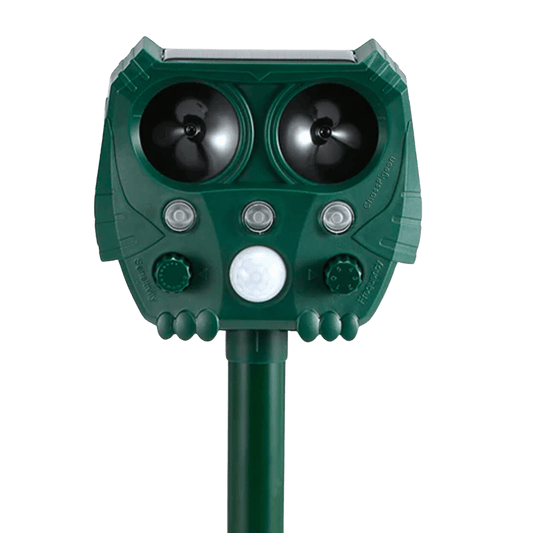
Ultrasonic technology works by emitting high-frequency sound waves that irritate pigeons. These devices protect large areas and are excellent for balconies, roofs, patios, garages, and warehouses. These solutions gently push pigeons away while keeping your property quiet and bird-friendly for the long term. Among the best options on the market are PigeonChaser and ZeroBird.

Craft DIY natural pigeon repellents using simple ingredients
If you prefer homemade solutions, you’ll be glad to know that many everyday ingredients can be turned into highly effective pigeon deterrents. These DIY mixtures are easy to make, inexpensive, and perfect for treating small areas.
Vinegar solution spray

How to prepare: Mix equal parts white vinegar and water in a spray bottle. For stronger intensity, add a few drops of lemon essential oil.
Where to apply: Spray generously on railings, ledges, AC units, balcony floors, and any surface where pigeons repeatedly land. Reapply every 2–3 days, as the smell fades quickly outdoors.
Garlic or onion spray

How to prepare: Crush 3–4 garlic cloves or half an onion and steep them in hot water for 24 hours. Strain the liquid and pour it into a spray bottle.
Where to apply: Mist the mixture over sheltered corners, potential nesting spots, and around plants pigeons like to disturb. This spray works best in shaded areas where the scent lingers longer.
Essential oil scent jars

How to prepare: Fill small jars with cotton balls soaked in essential oils like peppermint, eucalyptus, or citronella. Keep the jars open or cover them with mesh to let the fragrance escape.
Where to apply: Place the jars on balconies, window sills, terraces, and roof edges. They’re especially useful in spots where spraying isn’t practical or where you want a longer-lasting scent.
Citrus peel infusion spray

How to prepare: Boil citrus peels (orange, lemon, or lime) in water for 10 minutes, let the mixture cool, then strain it and pour it into a spray bottle. Add a splash of vinegar for extra strength.
Where to apply: Apply the citrus spray to garden beds, decorative pots, outdoor furniture, and pathways pigeons often cross. The bright scent creates an invisible barrier that encourages them to move on.
Coffee grounds barrier

How to prepare: Collect used coffee grounds and let them dry completely. You can also mix them with a bit of vinegar for a stronger effect.
Where to apply: Scatter the grounds along balcony edges, around plants, or in outdoor corners where pigeons land frequently. They dislike the strong smell and gritty texture, making treated areas less appealing.
Clove and cinnamon oil mix

How to prepare: Combine 10 drops of clove oil and 10 drops of cinnamon oil with half a cup of water. Shake well before each application to blend the oils.
Where to apply: Spray the mixture on window frames, pergolas, porch beams, and sheltered nooks where pigeons rest. The warm, spicy aroma is strong enough to discourage them without causing harm.
Forget temporary fixes. Get the long-term solution that stops pigeons before they land.
Make your space less attractive to pigeons
Even the most effective natural repellents will struggle if your environment remains appealing to pigeons. By removing what attracts them in the first place, you instantly reduce their interest in returning and make your deterrent methods work far more efficiently.
Remove food and water that attract pigeons
Eliminate open food sources, spilled grains, pet bowls, and standing water that draw pigeons to your property. When nothing is available to eat or drink, they quickly move on to easier spots.
Remove or clean potential nesting areas
Clear out cluttered corners, old boxes, and sheltered gaps where pigeons may try to nest. Regular cleaning and sealing of small openings prevent them from viewing your space as a safe home base.
Install bird netting
Bird netting creates a physical barrier that blocks pigeons from accessing balconies, roof eaves, and garden structures. It’s discreet, humane, and highly effective for spaces where pigeons repeatedly settle.
Keep the area clean to prevent repeat visits
Sweep droppings, feathers, and debris frequently, as pigeons are drawn to signs of past activity. A clean environment signals that the area is not an established gathering spot, discouraging them from returning.
Effective tips for repelling pigeons naturally
These practical tips help you strengthen your efforts to repel pigeons without using harsh solutions:
- Rotate different scents, so pigeons don’t get used to a single smell.
- Combine visual, scent-based, and physical deterrents for stronger protection.
- Reapply sprays and natural mixtures regularly, especially after rain or wind.
- Close off small gaps or sheltered corners that pigeons may try to nest in.
- Place deterrents at different heights to disrupt both landing and perching spots.
- Clean treated areas often, so pigeons don’t follow familiar scents or markings.
Why fight pigeons every day when one device can keep them away automatically and instantly?
FAQ
What is the fastest natural way to repel pigeons?
Using strong scents like peppermint oil or vinegar spray provides the quickest results, especially when applied to ledges and perching spots. Pairing these scents with a wind-powered visual deterrent and a visual owl decoy can create immediate discomfort and encourage pigeons to leave within hours.
Does vinegar actually work in repelling pigeons?
Yes, vinegar does have a repellent effect thanks to its strong acidic odor, which explains why so many homeowners ask: “Does vinegar repel pigeons?”. Just keep in mind that its effectiveness is temporary outdoors and requires regular reapplication.
Does peppermint oil work for repelling pigeons?
Many people wonder, “does peppermint oil repel pigeons?”, and in practice, it can. Pigeons dislike the strong mint fragrance, so spraying diluted peppermint oil or placing scented cotton balls in trouble spots often keeps them from settling.
How to repel pigeons from your balcony naturally?
To repel pigeons from your balcony, use a combination of scent sprays, reflective objects, and barrier plants to make the space less inviting. Keeping the balcony clean and removing food sources further strengthens the effect and reduces repeat visits.
Which natural pigeon repellent works best for the garden?
Herbs like lavender, rosemary, and basil are reliable garden-friendly deterrents, as their strong scents discourage pigeons without harming plants. Citrus sprays and reflective items also perform well in open outdoor spaces.
What are the best long-term solutions for repelling pigeons naturally?
Long-term success comes from combining several methods: natural scents, plants, ultrasonic pigeon repellents like PigeonChaser or ZeroBird, bird spikes like BirdRail, and consistent cleaning. Sealing nesting areas and removing food access ensures pigeons don’t return over time.
How often should natural pigeon repellents be reapplied?
Most scent-based repellents need refreshing every two to three days, especially after rain or wind. Solid deterrents like plants, spikes, and reflective devices last much longer but still benefit from occasional adjustments or cleaning.