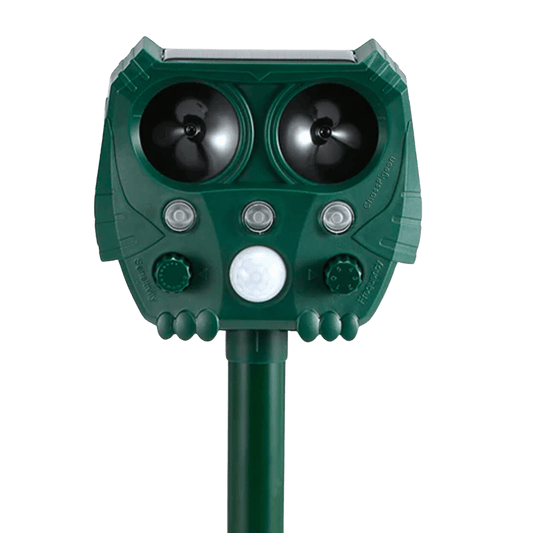


A single wasp is a nuisance. A nest near your patio is a genuine problem. Whether you're dealing with aggressive yellowjackets or oversized hornets, the right trap makes all the difference between enjoying your outdoor space and avoiding it entirely. This guide breaks down the 10 best wasp and hornet traps on the market, covering what works, what doesn't, and what to look for before you buy.
1. BuzzBlock – Powerful Wasp and Hornet Trap

BuzzBlock is the most complete wasp and hornet trap available right now, and it's easy to see why it tops this list. Built around a dual-attraction system combining solar-powered UV LED light and natural bait, it lures wasps, hornets, and even Asian hornets both day and night without any chemicals involved. The double anti-return entry ensures that once a wasp gets in, it simply cannot get back out. What makes BuzzBlock genuinely stand out is its full autonomy: no batteries, no cables, no running costs. Just hang it, add your bait, and let it work through every season. Its IPX4 waterproof rating means rain won't slow it down, and because the recommended bait recipes are specifically designed to attract wasps rather than bees, you're getting targeted pest control that's safe for pollinators.
✅ Pros
- Dual attraction system: UV LED + natural bait
- Fully solar-powered with no running costs
- Catches Asian hornets in addition to common wasps
- Safe for bees and other pollinators
- Chemical and insecticide-free
- IPX4 waterproof, suitable for year-round outdoor use
❌ Cons
- Effectiveness depends on choosing the right bait recipe
- Requires occasional cleaning and bait refilling
Key Specs:
- Power Source: Solar panel
- Protection Level: IPX4 waterproof, reinforced for all-season outdoor use
- Ideal For: Anyone dealing with persistent wasp or Asian hornet activity
Overall Score: 4.9/5
2. Spectracide – Quick-Drown Formula sticky Wasp and Hornet Trap

The Spectracide Wasp is a no-fuss, ready-to-use solution that gets straight to work the moment you hang it up. Built around a food-based lure with a quick-drown formula, it submerges and kills insects fast without any activation wait time. The setup requires no tools whatsoever, making it a practical pick for anyone who wants results without the hassle. Each lure lasts up to 30 days, and the trap itself is fully reusable once emptied. What makes this product particularly reliable is its simplicity: a low-odor, sugar-based attractant that draws in wasps, hornets, and yellowjackets during their most active season without creating a smell problem around your outdoor space.
✅ Pros
- No activation time: works immediately after setup
- No tools required for assembly
- Nearly odorless food-based bait
- Reusable trap with separately available refills
- Each lure lasts up to 30 days
- Targets wasps, hornets, and yellowjackets
❌ Cons
- Most effective only between June and October
- Refill lures sold separately, adding to long-term cost
- Requires regular emptying every 3 to 4 weeks
- Must be placed away from nests and flowering plants
Key Specs:
- Lure Type: Sugar-based, low-odor food ingredient formula
- Usage Period: Most effective June through October
- Ideal For: Homeowners wanting a grab-and-go trap with zero setup complexity
Overall Score: 4.7/5
3. RESCUE! VisiLure – Visual Lure Wasp and Hornet Trap

The RESCUE! VisiLure TrapStik takes a completely different approach to wasp control: instead of relying on bait or chemicals, it uses color and visual patterns to draw insects in. Wasps, red wasps, mud daubers, and carpenter bees are naturally attracted to the trap's multi-dimensional design, where they land and get caught on the sticky surface. What sets this product apart is its thoughtful construction, particularly the Glue Guards that act as a barrier to reduce accidental catches of birds or other non-target creatures. It works from spring through fall, catching both queens and workers, which means it can genuinely help reduce local wasp populations over time.
✅ Pros
- No odors, chemicals, or sprays involved
- Catches a wide range of species, including mud daubers and carpenter bees
- Glue Guards reduce non-insect catches
- Effective from spring through fall
- Targets both queens and workers
- Made in the USA
❌ Cons
- The sticky surface fills up over time and needs replacing
- Less effective in rainy or very windy conditions
- Does not attract insects from a long distance
- Not reusable once the adhesive surface is full
Key Specs:
- Attraction Method: Visual lure using colors and multi-dimensional patterns
- Target Pests: Wasps, red wasps, mud daubers, and carpenter bees
- Ideal For: Homeowners dealing with property damage from mud daubers or carpenter bees
Overall Score: 4.6/5
4. JNKNT – 8-Entrance Wasp and Hornet Trap

JNKNT wasp trap is a straightforward, no-chemical solution that relies on smart physical design to get results. Its most notable feature is the 8-entrance funnel structure, which dramatically increases the chances of insects finding their way in from multiple directions, while making escape nearly impossible once inside. Built from durable ABS material, it holds up well against rain, sun, and humidity, so you can leave it outside from spring through fall without worrying about wear. The ventilation holes are a nice touch, helping the scent of your chosen bait spread further into the surrounding area. You fill it with something simple like sugar water, apple juice, or jam, hang it where insect activity is highest, and let the design do the work. It's a practical, reusable option that suits a wide range of outdoor settings, from backyard patios to orchards and camping spots.
✅ Pros
- 8 entrances maximize insect capture from all directions
- 100% non-toxic with natural bait attractant
- Durable ABS material, resistant to rain, sun, and corrosion
- Reusable and easy to clean
- Sealed bottom prevents leakage
- Versatile placement options with an included 18" nylon cord
❌ Cons
- Bait not included, requires sourcing separately
- Bright orange color may not suit all outdoor aesthetics
- Needs regular emptying and refilling for best performance
- No built-in attractant for enhanced long-distance luring compared to the BuzzBlock
Key Specs:
- Material: Weather-resistant ABS, suitable for all outdoor conditions
- Entry Design: 8-entrance funnel system with ventilation holes for scent diffusion
- Ideal For: Gardens, orchards, camping areas, and patios
Overall Score: 4.4/5
5. DECYOOL – Decoy Paper Nest Wasp and Hornet Trap

DECYOOL Decoy Nest takes a prevention-first approach that stands apart from every other product on this list. Rather than trapping wasps after they've already settled nearby, it works by exploiting one of their most deeply rooted instincts: territorial behavior. Wasps avoid building nests where a rival colony already exists, and this realistic paper decoy mimics exactly that. Measuring 8.5 inches in diameter and 11 inches tall, it closely replicates the size, shape, and color of a real wasp nest. Hang it early in spring before queens begin scouting for nesting sites, and you significantly reduce the chances of a colony forming on your property in the first place. It requires no bait, no chemicals, and minimal setup, making it one of the most passive and cost-effective deterrents available..
✅ Pros
- Completely chemical-free and passive deterrent
- Exploits natural wasp territorial behavior
- Works for wasps, hornets, and yellowjackets
- No maintenance, bait, or refilling required
- Lightweight and easy to assemble
- Very budget-friendly option
❌ Cons
- Works best as a preventive measure, not a cure for existing infestations
- Must be hung before the spring scouting season for best results
- Not suitable for humid areas (may deteriorate over time)
- Effectiveness can vary depending on the local wasp species
Key Specs:
- Dimensions: 8.5 inches in diameter, 11 inches tall
- Working Mechanism: Territorial deterrent mimicking a real rival nest
- Ideal For: Early-season prevention before queens begin nesting
Overall Score: 4.4/5
6. ZLieatmp – Solar-Powered Wasp and Hornet Trap with UV Light

The ZLieatmp solar wasp trap is a well-rounded outdoor solution that combines physical trapping with light-based attraction. Its dual-tunnel entry system is the standout engineering feature: a wider outer entrance draws insects in easily, while the narrower inner exit makes escape virtually impossible. Once inside, trapped insects are submerged or dehydrated. At night, a built-in blue UV LED light activates automatically via a light-sensitive sensor, pulling in nocturnal flyers without any manual input. Built from ABS plastic and stainless steel components, it handles sun, rain, wind, and even snow without degrading. Add your preferred bait, hang it from the integrated steel hook, and the trap runs itself from season to season.
✅ Pros
- Dual-tunnel design prevents escape effectively
- Works against wasps, hornets, yellowjackets, and carpenter bees
- Blue UV LED attracts nocturnal insects without manual operation
- Solar-powered with automatic day-night switching
- Durable ABS and stainless steel construction
- Waterproof and weather-resistant across all seasons
- Available in multiple color options
❌ Cons
- Bait not included: must be added separately
- Solar charging efficiency depends on sun exposure
- UV light attraction may also draw in non-target flying insects
- No specific bee-safe bait guidance provided
Key Specs:
- Power Source: Solar panel
- Entry System: Dual-tunnel design with inner-outer funnel for secure trapping
- Ideal For: Gardens, patios, farms, and campsites needing 24/7 protection
Overall Score: 4.3/5
7. HOY HOY – Food-Based Wasp and Hornet Trap

The HOY HOY Wasp Trap is a Japanese-engineered solution that keeps things refreshingly simple without sacrificing performance. Its food-based attractant, a combination of black syrup and fermented vinegar, starts pulling wasps in almost immediately thanks to its strong scent profile. The large entrances paired with a patented guiding flap encourage insects to land and enter naturally, while the liquid formula clings on contact and drowns them quickly with no chance of escape. What makes this trap particularly noteworthy is its broad targeting range: it catches common wasps, yellowjackets, hornets, and even Northern Giant Hornets, also known as murder hornets, while remaining completely safe around honeybees. Each unit provides up to 30 days of protection with zero pesticides involved, making it a clean, low-maintenance option for anyone who wants reliable results without the complexity.
✅ Pros
- Targets a broad range of species, including Northern Giant Hornets
- Pre-measured attractant makes setup fast and foolproof
- No pesticides or harmful chemicals
- Does not attract honeybees
- Up to 30 days of protection per trap
- Made in Japan with high manufacturing standards
❌ Cons
- Single-use trap, not designed for reuse
- Only one trap is included per purchase
- Fermented scent may be noticeable near seating areas
- Less effective in very windy conditions, where scent disperses quickly
Key Specs:
- Attractant Type: Food-based lure combining black syrup and fermented vinegar
- Protection Duration: Up to 30 days per trap
- Ideal For: Balconies, patios, and campsites needing a clean, no-chemical solution
Overall Score: 4.3/5
8. RESCUE! WHY Trap – Versatile Wasp and Hornet Trap

The RESCUE! WHY Trap casts a wide net by using three different attractants inside a dual-chambered design, covering up to 19 species of wasps, hornets, and yellowjackets in a single trap. Insects can enter from both the top and bottom, and once inside, they expire naturally without any chemicals or pesticides involved. The included attractant supply lasts two weeks, and the trap itself is fully reusable across multiple seasons with separately available refills. Made in the USA, this is a product built with durability and long-term value in mind. If you've tried other traps with mixed results, the WHY Trap's broad-spectrum approach makes it a genuinely reliable fallback that covers all bases without requiring any pest identification on your part.
✅ Pros
- Catches up to 19 different species with one trap
- Triple attractant system maximizes coverage
- Dual entry points from top and bottom
- No chemicals or pesticides involved
- Fully reusable across multiple seasons
- No pest identification needed before use
❌ Cons
- Attractant supply lasts only two weeks before needing replacement
- Refills sold separately, adding recurring costs
- A wider attraction range may draw more insects toward your space initially
- Not specifically designed to target Asian hornets like the wasp and hornet trap BuzzBlock
Key Specs:
- Attractant System: Three attractants targeting up to 19 species
- Design: Dual-chambered with top and bottom entry points
- Ideal For: Anyone dealing with mixed or unidentified wasp and hornet activity
Overall Score: 4.1/5
9. Pestvanish – Pineapple-Shaped Wasp and Hornet Trap

The Pestvanish wasp trap proves that effective pest control doesn't have to be an eyesore. Shaped like a bright yellow pineapple, it's one of the few traps on this list that actually doubles as a yard decoration while quietly doing its job. But the design isn't just for looks: the vivid yellow color naturally attracts wasps visually, while the 6-inlet funnel system allows insects to enter from multiple directions with no way out. Made from durable, weather-resistant ABS plastic, it handles heat, rain, and fog without issue, and the sealed bottom ensures no bait leakage during use. It comes with an attractant included so you can get started right away, though you can also fill it with homemade bait depending on the season. Reusable, non-toxic, and genuinely practical across a wide range of outdoor settings, this trap strikes a rare balance between functionality and visual appeal that most competitors simply don't bother with.
✅ Pros
- Attractive pineapple design blends into any outdoor spaces
- 6-inlet funnel system captures insects from all directions
- Comes with an attractant included, ready to use immediately
- Non-toxic and safe around children and pets
- Durable ABS plastic, resistant to heat, rain, and corrosion
- Reusable and easy to clean
- Includes 18" nylon cord for flexible placement
❌ Cons
- Bright yellow color may attract insects closer to living areas if misplaced
- Attractant refills can be hard to find locally
- Smaller capacity compared to some competitors
- Its bold shape may not suit minimalist outdoor aesthetics
Key Specs:
- Design: 6-inlet yellow pineapple shape
- Material: Weather-resistant ABS plastic, suitable for all seasons
- Ideal For: Backyards, gardens, and anyone wanting a decorative yet functional trap
Overall Score: 4.0/5
10. Nameiec – Eco-Friendly Wasp and Hornet Trap with Natural Wood Construction

Crafted from real wood, it blends perfectly into outdoor environments like eaves, decks, and fences without the plastic look that most traps carry. It targets carpenter bees specifically, offering a chemical-free way to protect wooden structures from the kind of drilling damage that quietly adds up over time. The detachable design makes emptying and cleaning genuinely straightforward, and the weatherproof construction means it holds up through rain, wind, and prolonged sun exposure season after season. Coming in a two-pack, it gives you the flexibility to cover multiple vulnerable spots around your property at once. For homeowners who care about keeping their outdoor space looking good while protecting it from damage, the Nameiec trap delivers on both fronts without any compromise.
✅ Pros
- Natural wood construction blends into outdoor decor
- Completely chemical-free and eco-friendly
- Safe for children, pets, and the environment
- Detachable design for easy cleaning and emptying
- Weatherproof and built for long-term outdoor use
- Comes in a two-pack for broader coverage
- Targets carpenter bees that cause structural damage
❌ Cons
- Focused primarily on carpenter bees, with limited coverage for other species
- Wood material may require occasional maintenance over time
- Less visible to insects compared to brightly colored traps
- No attractant included
Key Specs:
- Material: Natural wood with weatherproof construction
- Package: Two-pack for multi-location coverage
- Ideal For: Homeowners protecting wooden structures from carpenter bee damage
Overall Score: 3.9/5
Summary Table of the Best Wasp and Hornet Traps on the Market
Here is a quick overview of everything covered so far to help you compare it at a glance.
Types of Wasp and Hornet Traps to Know Before You Buy
Not all wasp traps work the same way, and choosing the wrong type for your situation can mean disappointing results. Here is a quick breakdown of the main categories to help you match the right trap to your needs.
Liquid Bait Traps
These traps use a liquid attractant, usually a sweet or fermented solution, to lure wasps inside where they drown on contact. They are among the most widely used options because they work consistently across multiple species. Most are reusable, making them a cost-effective long-term choice.
Sticky Traps
Sticky traps rely on an adhesive surface combined with visual cues like color and pattern to attract and immobilize insects on contact. They require no bait or liquid, which makes them especially clean and low-maintenance. Their main limitation is capacity; once the surface is full, the trap needs replacing.
Disposable Bag Traps
These single-use traps come pre-loaded with attractant and are designed to be thrown away once full. They are convenient and mess-free, making them a solid option for short-term situations like outdoor events or camping trips. The ongoing replacement cost is worth factoring in if you need protection all season.
Reusable Plastic Traps
Built for durability, these traps are designed to be emptied, cleaned, and refilled repeatedly across multiple seasons. They typically work with natural bait you add yourself, giving you flexibility over what you use. Their sturdy construction makes them well-suited for permanent outdoor installation.
Decoy (Fake Nest) Traps
Rather than capturing wasps, decoy traps prevent them from settling nearby by mimicking the appearance of an existing nest. Since wasps are highly territorial, they tend to avoid areas where a rival colony appears to be established. Timing matters most here: hang them in early spring before queens begin scouting for nesting sites.
Skip the trial and error. Here's the trap that works from day one.
How to Choose the Best Wasp and Hornet Trap
With so many options on the market, picking the right trap comes down to a few key factors that match your specific situation. Here is what to look at before making your decision :
Indoor vs Outdoor Use
Most wasp traps are designed for outdoor use, but placement still matters. Hanging a trap too close to your seating area can draw more insects toward you before they get caught. Position it at least 15 to 20 feet away from where you spend time, at the edge of your property, or near known activity zones.
Coverage Area and Trap Capacity
A single trap works well for light activity, but a larger property or heavy infestation may require multiple units placed strategically. Look for traps with wider entry points and larger chambers if you are dealing with high insect volumes. BuzzBlock's dual attraction system, combining UV light and natural bait, extends its reach both day and night, making it particularly effective across larger outdoor spaces.
Reusable vs Disposable Traps
Ask yourself how long you need protection:
- Short-term (an event, a weekend trip): a disposable trap does the job cleanly
- All-season or year-round: a reusable trap saves money and reduces waste
- Best value over time: reusable options like the wasp and hornet trap of Sonic Barrier pay for themselves quickly, with no recurring product costs
Type of Bait Required
The bait you use directly affects which insects you attract. A few guidelines:
- Sweet baits (sugar water, fruit juice, syrup): best in spring and summer
- Protein-based baits (meat, fish): more effective in late summer when wasps shift their diet
- Bee-safe recipes: essential if pollinators are present in your garden
Safety (Pets, Kids, Environment)
The good news is that most modern traps on this list are chemical-free. That said, keep these points in mind:
- Choose non-toxic bait options if your garden attracts wildlife
- Opt for traps with enclosed designs so insects cannot escape once caught
- If you value pollinator safety, prioritize traps with bee-safe bait guidance like BuzzBlock
Ease of Setup and Maintenance
Nobody wants to spend an afternoon figuring out a wasp trap. Look for:
- Tool-free assembly for quick deployment
- Detachable or wide-opening bases for easy emptying and cleaning
- Clear fill lines to avoid overfilling with liquid bait
- Integrated hanging systems like a built-in hook or included cord
How to Use Wasp and Hornet Traps Effectively
Where you place it, how many you use, and what mistakes you avoid will determine whether it actually works or not.
Where to Place the Trap
Location makes or breaks your results. A few simple rules:
- Hang traps 15 to 20 feet away from seating areas, not right next to them
- Place near known activity zones: garbage cans, fruit trees, outdoor kitchens, or pool areas
- Hang at eye level or slightly above, roughly 4 to 6 feet high
- Choose spots with some shade and shelter from direct wind, which disperses scent too quickly
- Avoid placing near flowering plants to reduce the risk of attracting bees
BuzzBlock gives it an edge here: even in shaded spots with less direct sun, it continues attracting insects through the night, covering areas where standard bait-only traps fall short.
How Many Traps Do You Need
For a standard backyard with light to moderate wasp activity, one well-placed trap is usually enough to see a noticeable difference. If you are dealing with a larger property, multiple activity zones, or a particularly aggressive infestation, two to three traps spaced 15 to 30 feet apart will give you far better coverage. A good rule of thumb is one trap per distinct outdoor zone, so your patio, your garden, and your dining area each get their own protection rather than sharing one.
Common Mistakes to Avoid
Even a great trap underperforms if used incorrectly. Watch out for these:
- Placing the trap too close to where you sit, attracting wasps directly toward you
- Using the wrong bait for the season, sweet in spring, protein-based in late summer
- Neglecting to empty the trap regularly, a full trap stops working
- Hanging in direct wind, which scatters the scent before it can do its job
- Setting it up too late in the season, the earlier you start, the better your results
How to Make DIY Wasp and Hornet Traps
If you prefer a quick, budget-friendly solution before investing in a dedicated trap, a homemade version can work surprisingly well as a temporary fix. Here is how to put one together in minutes.
What you need:
- A plastic bottle (2-liter works best)
- Scissors or a knife
- Tape or staples
- Your chosen bait
Steps:
-
Cut the top third of the bottle off just below where it starts to narrow
-
Flip the top section upside down and place it inside the bottom half, creating a funnel
-
Secure the two pieces together with tape or staples along the edges
-
Add your bait to the bottom chamber; about an inch or two of liquid is enough
-
Hang it using a piece of string threaded through small holes near the top
Best bait options by season:
- Spring and early summer: sugar water, fruit juice, or sweet syrup
- Late summer and fall: small pieces of raw meat or fish, as wasps shift toward protein at this time of year
Signs You Need a Wasp or Hornet Trap
Sometimes the problem sneaks up on you. Here are the clear signals that it is time to act.
- You spot wasps repeatedly in the same area: One or two wasps passing through is normal. Seeing the same spots consistently visited day after day points to nearby nest activity or a reliable food source drawing them in.
- You find a nest on your property: Under a deck, inside a wall cavity, in a tree, or on a shed roof: if you spot a nest, do not wait. Colonies grow fast, and an undisturbed nest can house hundreds of insects by midsummer.
- Outdoor meals have become a battle: If every barbecue or garden lunch turns into a wasp-dodging exercise, that is a strong sign the local population has grown beyond casual nuisance level.
- You or someone in your household is allergic: This one requires no second-guessing. A single sting can trigger a severe reaction in allergic individuals, making fast and reliable control a genuine safety priority rather than just a comfort issue.
- You notice wood damage or unusual buzzing in walls: Carpenter bees and certain hornet species bore into wooden structures or build inside wall cavities. If you hear faint buzzing from inside a wall or notice small, round holes appearing in timber, a targeted trap placed nearby can help intercept the problem early.
- Wasps are visiting your bins or compost regularly: Frequent visits to your garbage area or compost bin signal that wasps have identified your property as a food source. Left unchecked, this tends to escalate as the colony grows and more foragers get sent out.
When to Call a Professional
Traps handle the vast majority of wasp and hornet problems effectively, but there are situations where professional intervention is the smarter and safer call. If you have located a large established nest inside a wall cavity, roof space, or underground burrow, removing it without the right equipment puts you at serious risk of a mass sting response. The same applies if anyone in your household has a known venom allergy or if the infestation keeps returning despite consistent trap use, as this usually points to a nest that has not been located and dealt with at the source.
The right trap stops the problem before it ever reaches that stage. Click here to discover it.
FAQ
Do wasp and hornet traps really work?
Yes, when used correctly, they do. The key factors are placement, bait selection, and timing. A well-positioned trap with the right attractant will capture significant numbers of insects and noticeably reduce activity around your outdoor space within days.
Wasp trap vs hornet trap: What’s the difference?
In practice, most traps on the market target both, since the attraction methods, liquid bait and UV light, work across species. The main difference lies in entrance size, as hornets are larger and need wider entry points. If Asian or giant hornets are your primary concern, look for traps specifically tested against those species, like BuzzBlock.
When is the best time to trap wasps and hornets?
Start early in spring when queens are actively scouting for nesting sites. Catching queens before a colony is established gives you the best chance of preventing a full infestation. Activity peaks between June and October, which is when most traps deliver their strongest results.
What is the most effective bait for wasp traps?
It depends on the season. Sweet baits like sugar water, fruit juice, or fermented syrup work best in spring and early summer. From late summer onward, protein-based baits such as raw meat attract more foragers as wasp colonies shift their dietary needs.
What is the best outdoor trap for wasps and hornets?
For outdoor use, you want a trap that works conti nuously, handles variable weather, and attracts insects across a wide range without constant attention. BuzzBlock checks all of these boxes. Its combination of solar-powered UV LED light and natural bait attracts wasps, hornets, and Asian hornets both day and night, while its IPX4 waterproof rating and reinforced structure keep it running through every season. Hang it once, add your bait, and it takes care of the rest without batteries, cables, or recurring costs.
What is the most effective indoor trap for wasps and hornets?
For indoor use, sticky traps are generally the safest and most practical option since they involve no liquid or odor. The RESCUE! VisiLure works well in this context, relying purely on visual attraction without any scent that could linger inside your home. That said, if wasps are finding their way indoors, the root cause is almost always outside. Addressing the outdoor population with a high-performance trap like BuzzBlock, placed near entry points such as windows, doors, or vents, is the most effective way to stop the problem before it ever gets inside.
Can traps eliminate an entire nest?
Not on their own. Traps reduce the number of active foragers and can significantly weaken a colony over time, but they rarely eliminate a nest. For full nest removal, traps work best as a complementary measure alongside professional treatment or direct nest removal.
What bait works best for wasps or hornets?
Sweet, fermented liquids tend to produce the most consistent results across species and seasons. A simple mix of sugar water with a splash of fruit juice or a spoonful of jam is effective and easy to prepare at home. For enhanced attraction, BuzzBlock's recommended bait recipes are specifically formulated to draw in wasps and hornets while keeping bees safely away.